Black and White Pattern Digital Paper: A Versatile Resource for Creative Projects
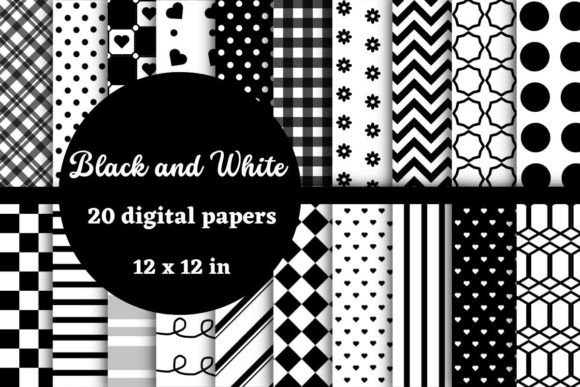
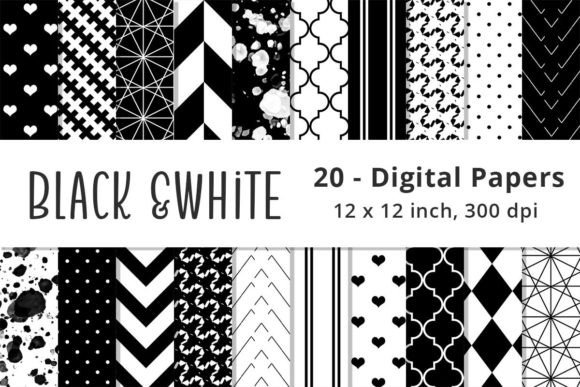
Black and White Pattern Digital Paper offers a timeless aesthetic that remains relevant across various creative fields. These digital papers are designed with a range of classic patterns, including polka dots, stripes, chevron, trellis, hearts, diamonds, and more. The simplicity of black and white color schemes provides a clean and elegant backdrop that complements both modern and traditional designs. Whether used for scrapbooking, card making, invitations, or print-on-demand (POD) projects, these digital papers are a staple in the creative toolkit.
Understanding Black and White Pattern Digital Paper
Black and White Pattern Digital Paper refers to pre-designed digital images that can be used as backgrounds or decorative elements in a variety of projects. Unlike colored pattern papers, which may clash with other design elements, black and white patterns offer a neutral base that allows other colors and details to stand out. This makes them particularly useful when working with intricate illustrations, photographs, or text-based content.
These digital papers are typically available in JPG format, which is widely supported by most design software and online platforms. They come in standard sizes such as 12 x 12 inches at 300 dpi, ensuring high-quality prints suitable for professional use. It's important to note that these files are flattened raster images rather than vector formats, which means they are not scalable without loss of quality. This is a key consideration for designers who may need to resize elements significantly.
Comparing Black and White Pattern Digital Paper with Other Options
When considering alternatives to black and white pattern digital paper, it's essential to evaluate the specific needs of your project. For instance, if you're working on a design that requires vibrant colors or gradients, colored pattern papers might be more appropriate. However, for projects where subtlety and elegance are desired, black and white options provide a refined look that can elevate the overall design.
Another alternative is using solid-colored backgrounds, which can be effective for minimalist designs but lack the visual interest that patterns provide. In contrast, black and white patterns add texture and dimension without overwhelming the viewer. This makes them ideal for backgrounds in scrapbooking layouts or as accents in card designs.
Vector-based pattern papers are also available, offering scalability and flexibility. However, they often require specialized software to edit and manipulate, which may not be accessible to all users. Raster-based black and white pattern digital papers, while less flexible in terms of resizing, are user-friendly and compatible with a wide range of design tools.
Strengths and Tradeoffs of Black and White Pattern Digital Paper
The primary strength of black and white pattern digital paper lies in its versatility and ease of use. With a collection of 20 different patterns, users have ample options to choose from, ensuring that there is something suitable for nearly any project. The inclusion of popular patterns like polka dots, stripes, and chevrons ensures that these digital papers can be used across a wide range of creative applications.
However, the tradeoff of using raster-based files is that they cannot be scaled without losing quality. This limitation should be considered when planning projects that require large-format printing or high-resolution outputs. Additionally, since these files are pre-designed, they may not be customizable in the same way that vector-based files are. Users who require unique modifications may need to seek additional resources or tools.
Despite these limitations, the benefits of black and white pattern digital paper far outweigh the drawbacks for many users. Their affordability, accessibility, and ease of integration into existing design workflows make them an attractive option for both beginners and experienced designers alike.
Best-Fit Situations for Using Black and White Pattern Digital Paper
Black and white pattern digital papers are best suited for projects where a subtle yet stylish background is needed. Scrapbooking is one of the most common applications, as these patterns can enhance the visual appeal of layouts without overpowering the photos or journaling. They are also excellent for creating cards, invitations, and other printed materials that require a clean and professional appearance.
In the realm of print-on-demand (POD), black and white pattern digital papers can serve as versatile backgrounds for products such as notebooks, calendars, and packaging. Their neutral tones allow for greater flexibility in branding and design, making them a popular choice among entrepreneurs and small business owners.
For those working in digital media, these papers can be used as backgrounds for websites, social media posts, or presentations. The ability to quickly apply a pattern without distracting from the main content makes them a valuable asset in digital design.
When to Consider Alternatives
While black and white pattern digital papers are highly versatile, there are situations where alternative options may be more appropriate. For example, if a project requires bold colors or intricate designs that cannot be achieved with black and white patterns, it may be necessary to explore colored pattern papers or custom-designed backgrounds.
Additionally, if a project involves frequent resizing or scaling, vector-based pattern papers may be a better choice. Although they require more advanced design skills, they offer greater flexibility and scalability, which can be crucial for certain types of work.
Ultimately, the decision to use black and white pattern digital papers depends on the specific requirements of the project. By carefully evaluating the strengths and limitations of this resource, designers can make informed choices that align with their goals and preferences.
Conclusion
Black and white pattern digital papers offer a timeless and elegant solution for a wide range of creative projects. Their versatility, ease of use, and compatibility with various design tools make them a valuable addition to any designer's toolkit. While they may not be suitable for every situation, they provide a reliable and aesthetically pleasing option for those seeking a clean and sophisticated look.
By understanding the strengths and tradeoffs of black and white pattern digital papers, designers can make informed decisions that enhance the quality and impact of their work. Whether used for scrapbooking, card making, or print-on-demand projects, these digital papers continue to be a popular choice for their ability to add visual interest without overwhelming the design.